

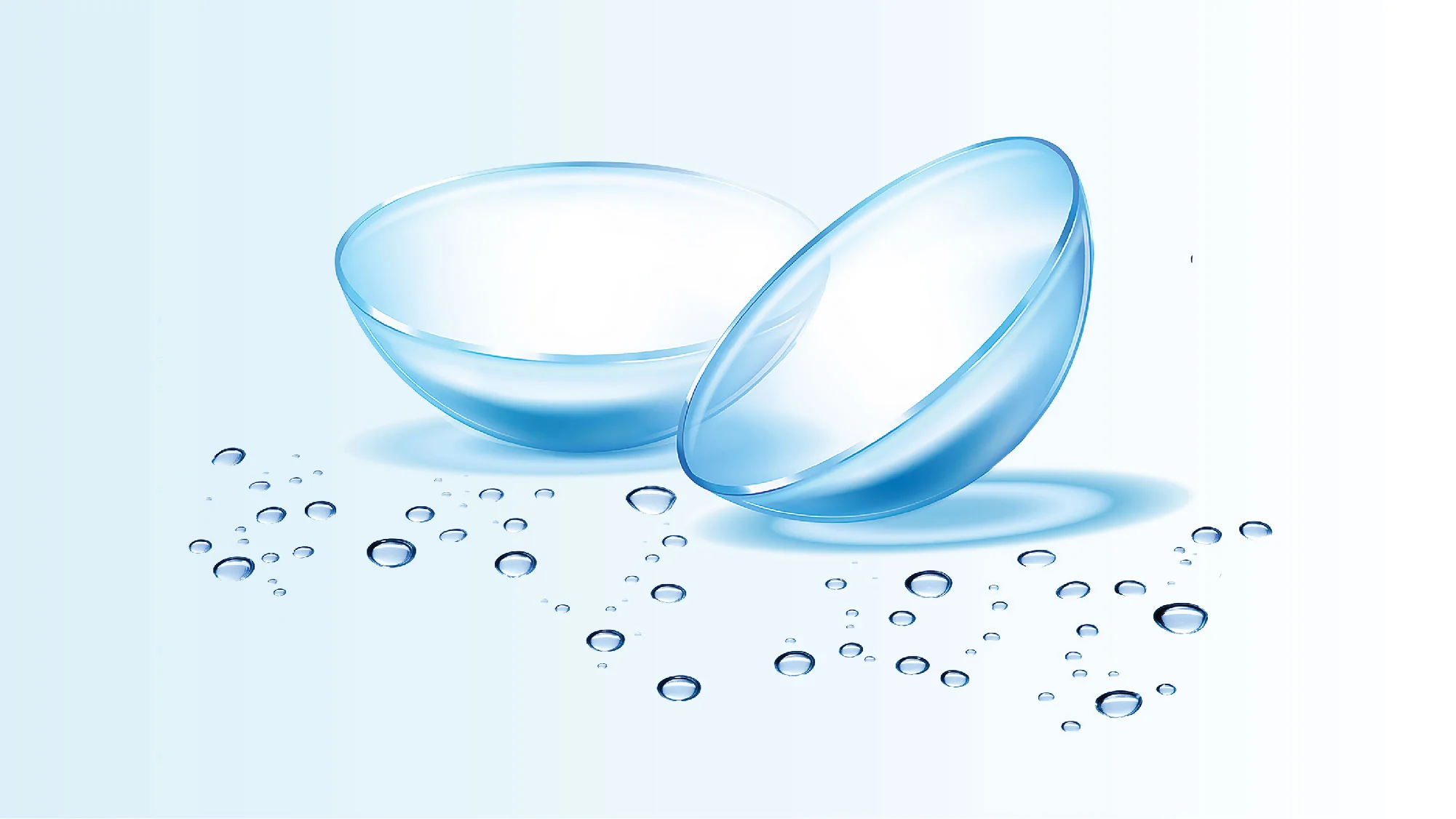
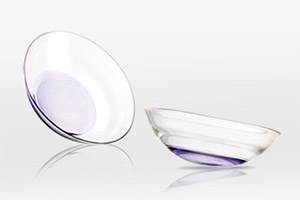
Hard, Rigid Gas Permeable Contact Lenses (RGP)
Hard, rigid gas permeable contact lenses are tailor made from rigid plastic materials which are now generally called gas-permeable (GP) due to their oxygen permeability.
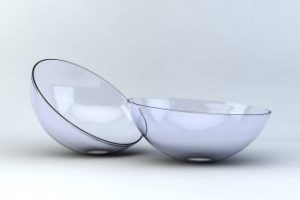
Scleral Contact Lenses
Scleral contact lenses are custom made large-diameter rigid gas permeable contact lenses designed to cover the entire corneal surface and rest on the sclera (white part of the eye).
Disposable Soft Contact Lenses
Our first-choice fitting modality is usually disposable soft contact lenses. Disposable soft lenses tend to be very thin and very comfortable providing a great solution for part time or full time wear.
Hybrid Contact Lenses
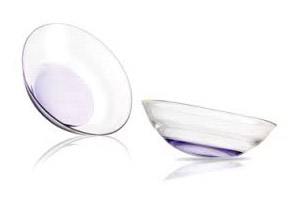
Hybrid contact lenses have a rigid gas permeable centre surrounded by a soft lens skirt. This combination of hard centre with soft edge provides visual clarity equivalent to a rigid gas permeable contact lens with the comfort of a soft contact lens.
Piggyback - Specialist Contact Lenses
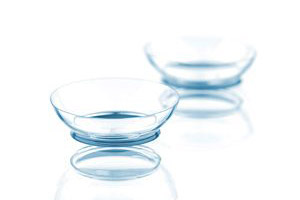
Piggyback fitting places a hard RGP contact lens on top of a soft contact lens. This system is used to enhance the comfort of hard contact lenses and to limit the eye’s exposure to dust and foreign bodies.
Keratoconus
Keratoconus is a degenerative condition of the eye whereby the cornea becomes cone-shaped causing visual distortion. This condition typically presents in adolescent years affecting one eye more than the other and affects approximately 1 in a 1000 people.